Section 3.4 – Rare Coastal Ecosystems & Gulf Waters

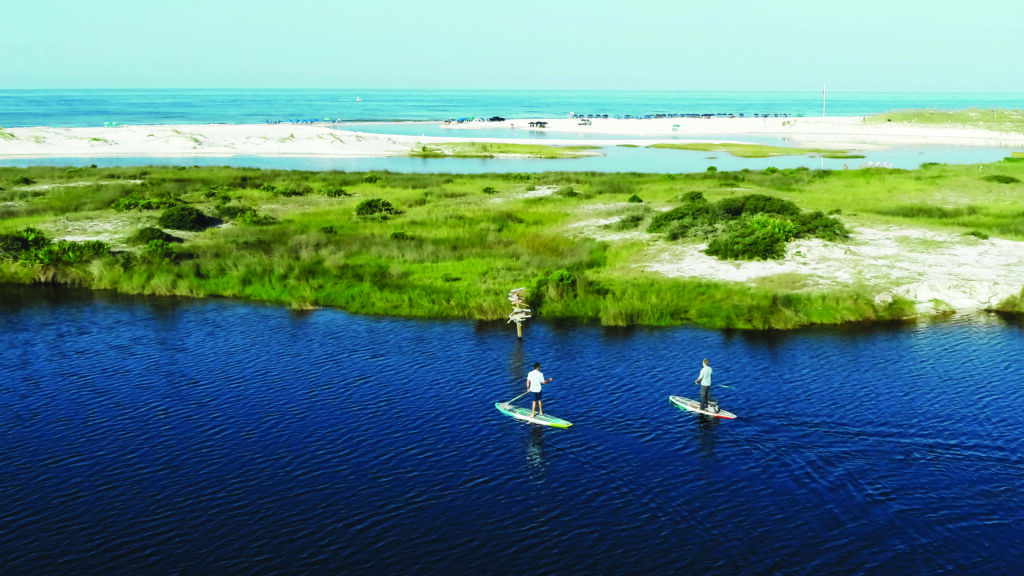
Paddlers explore one of South Walton’s rare coastal dune lakes, a unique natural feature found in only a few places around the world. Photo courtesy of Visit Florida.

Paddling enthusiasts shouldn’t miss South Walton’s beautiful and extremely rare coastal dune lakes—shallow freshwater lakes found near saltwater coastlines. There are only a few dozen coastal dune lakes in the world, and South Walton is home to 15 of them, making it one of the largest concentrations globally. In addition to being visually stunning, these lakes are critically important to coastal health because they store and filter water while also serving as a habitat for a unique mix of plants and animals.

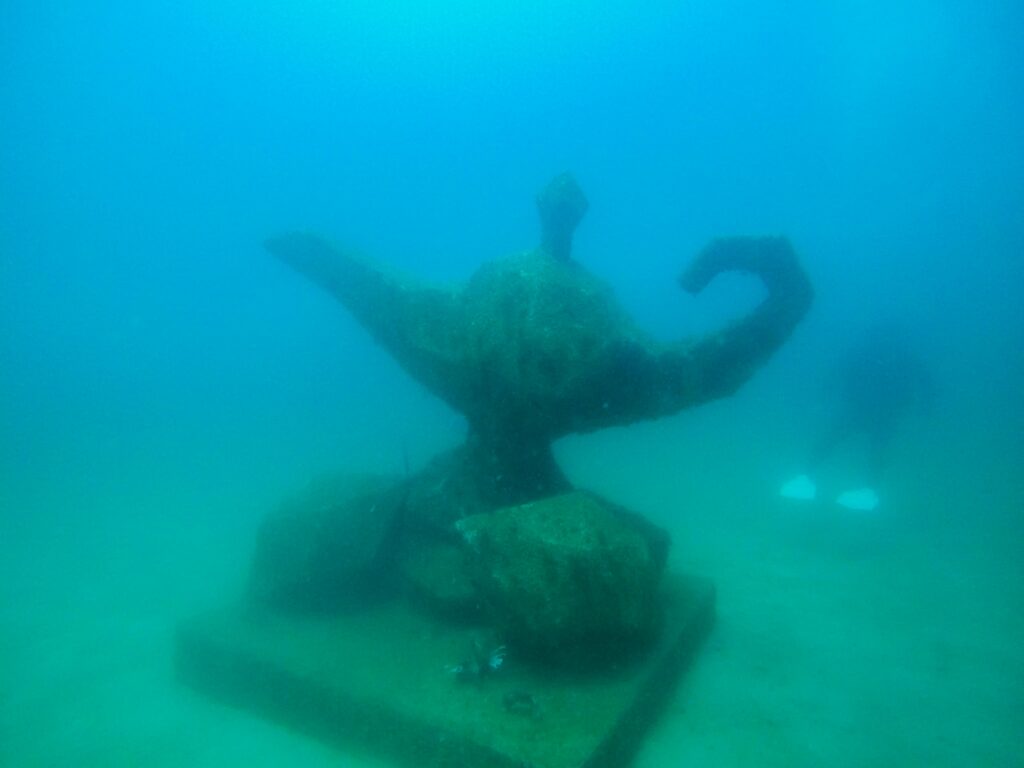
A submerged sculpture at the Underwater Museum of Art in Grayton Beach State Park offers a one-of-a-kind experience for snorkelers and scuba divers exploring South Walton’s coastal waters. Photo courtesy of NPI Productions.

Also part of this estuary system is Choctawhatchee Bay, a semi-enclosed body of water fed by creeks and bayous before spilling into the Gulf of Mexico. In nearby Grayton Beach State Park, visitors will find the Underwater Museum of Art, made for snorkeling and scuba enthusiasts.

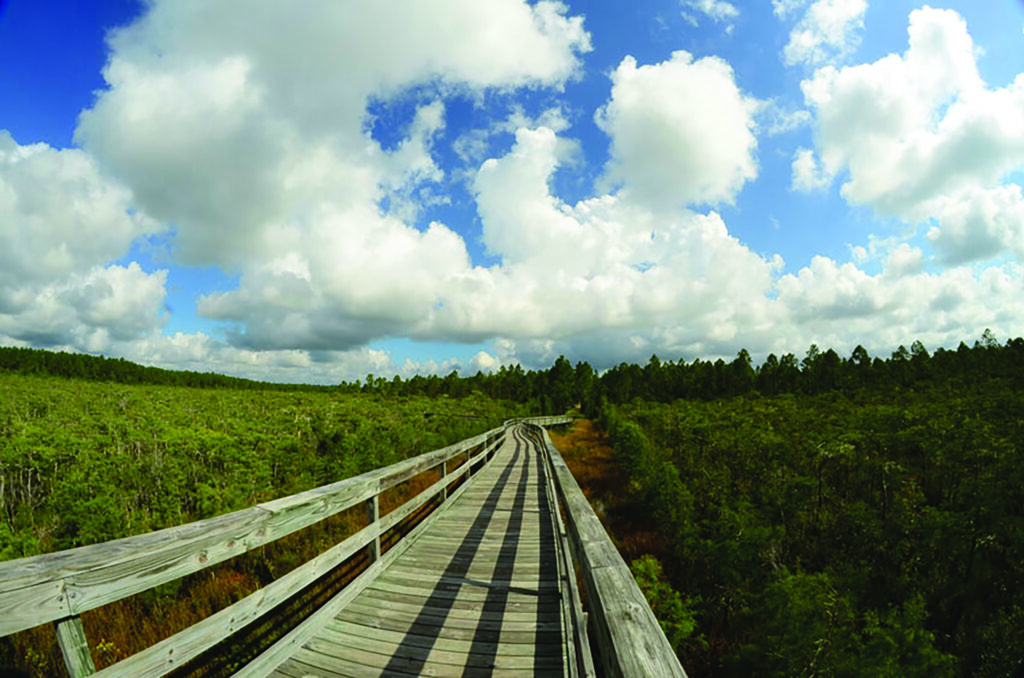
A boardwalk stretches through the dwarf cypress landscape of Tate’s Hell State Forest in Franklin County, where visitors can explore unique ecosystems along scenic hiking trails. Photo courtesy of Florida DEP.

Along the Gulf Coast in Franklin County, Tate’s Hell State Forest offers paddling and hiking trails galore—Tate’s Hell State Forest is part of the Florida Circumnavigational Saltwater Paddling Trail and the Big Bend Scenic Byway.