Section 2.4 – Frontier Florida & Pioneer Life

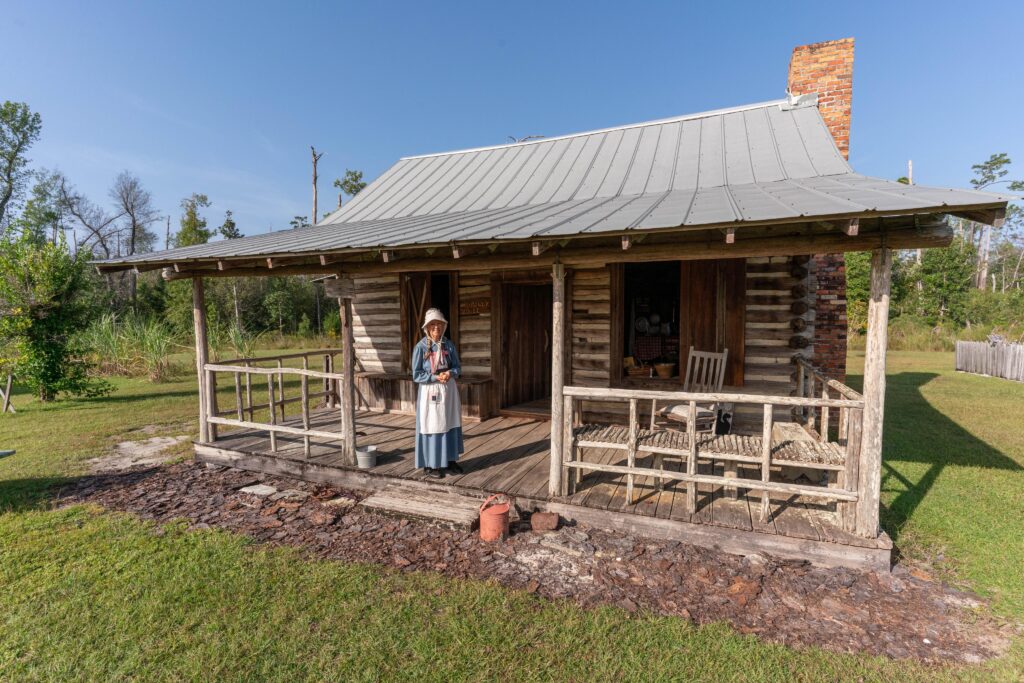
The Panhandle Pioneer Settlement in Blountstown preserves historic buildings and traditions, offering a glimpse into daily life in Florida’s early frontier communities. Photo courtesy of CycleHere Media.

North Florida also has a huge wellspring of museums and attractions dating back to the “Frontier Florida” era, the years before and after the state became a U.S. territory in 1821. In Blountstown, in Calhoun County, for example, the Panhandle Pioneer Settlement preserves and restores buildings, artifacts and tools that were part of daily life for pioneers in the Florida “panhandle” region. The site includes 18 historical buildings from the 1820s forward, arranged on five acres resembling a farm community.

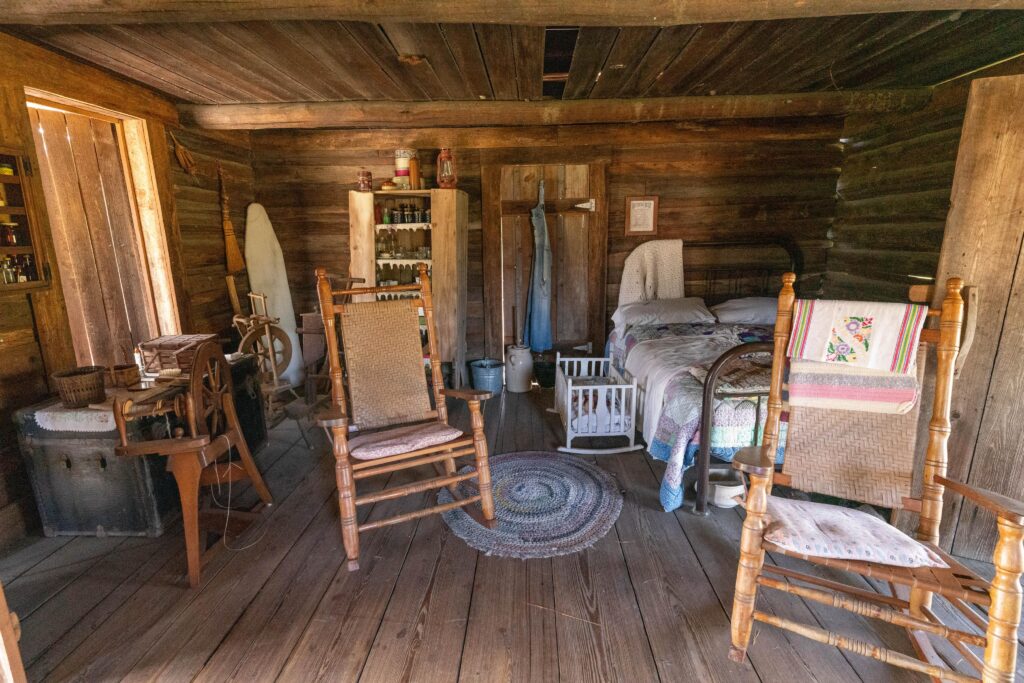
Restored cabins at the Panhandle Pioneer Settlement showcase the tools, furnishings and craftsmanship of Florida’s 19th-century settlers. Photo courtesy of CycleHere Media.

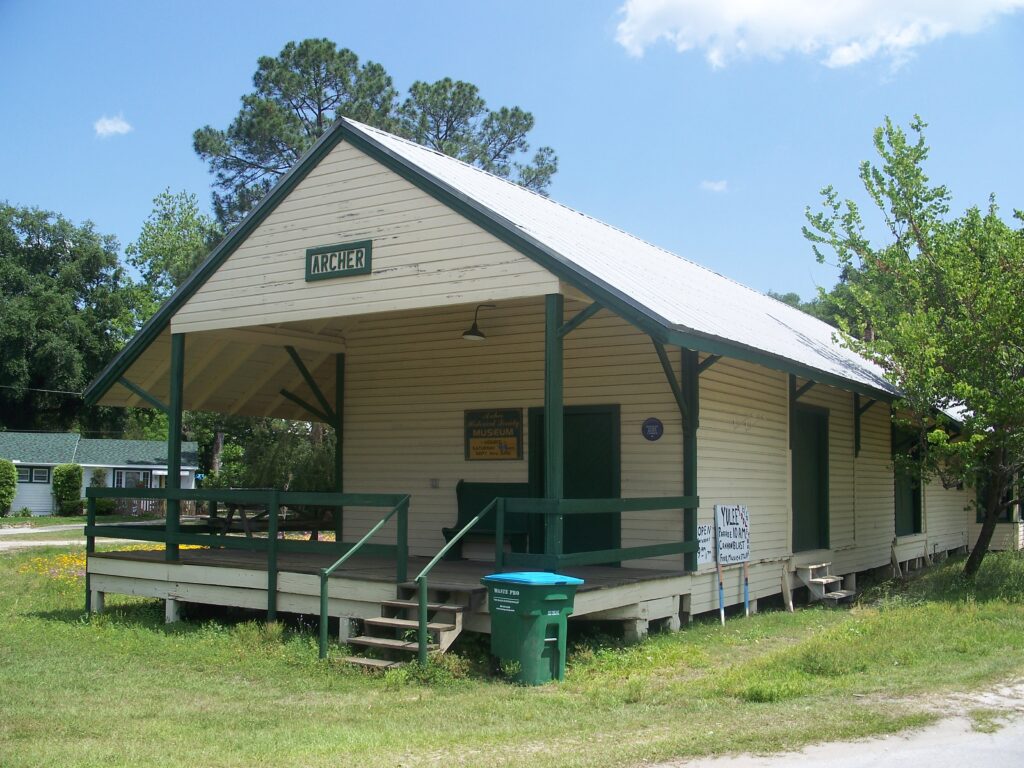
This time frame is also relived in Alachua County, where the Archer Railroad Museum recalls an era when this town became an important transit point for inbound goods, eventually growing into a bustling center of commerce.

The Archer Railroad Museum highlights the town’s role as a key transportation hub during Florida’s early development. Photo by Ebyabe, via Wikimedia Commons.

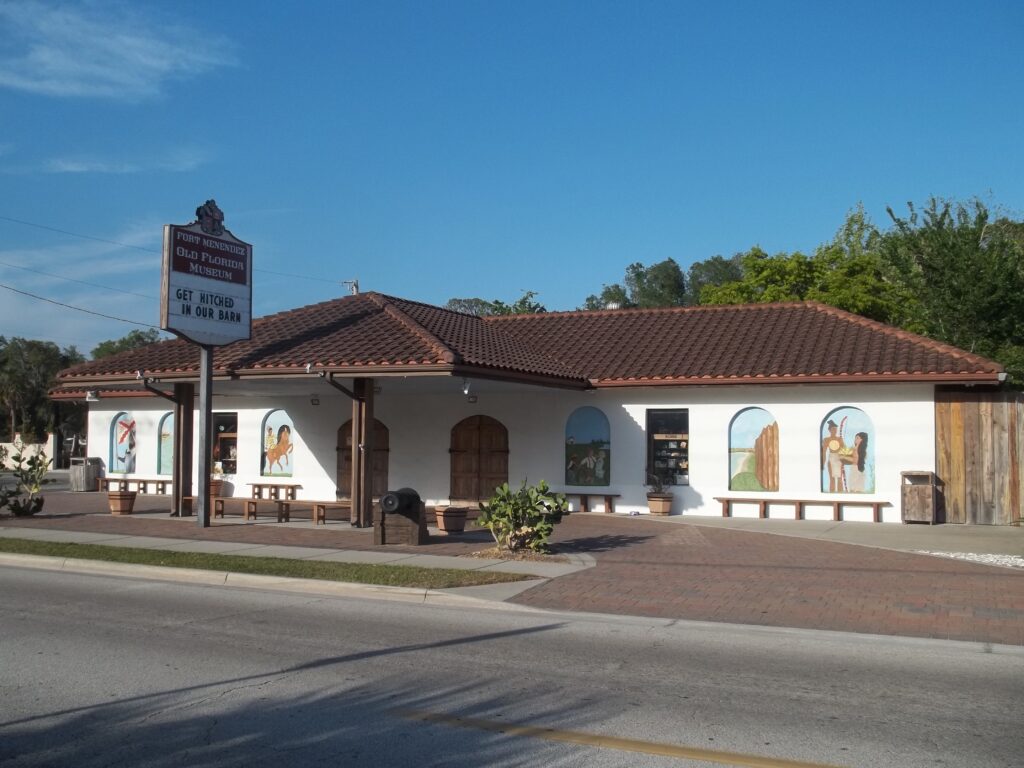
Head to Palm Coast, south of St. Augustine, where the Old Florida Museum, also known as the Florida Agricultural Museum, is a living-history attraction highlighting this era with historic buildings, artifacts and demonstrations of pioneer-era crafts and daily life.

The Florida Agricultural Museum in Palm Coast offers a living-history experience with exhibits and demonstrations that bring Florida’s pioneer era to life.

A short drive east, the Flagler Beach Historical Museum shares stories and exhibits about the region’s past from prehistoric times to modern-day coastal life, including maritime heritage, local families and community traditions.