Section 2.3 – Black History & Cultural Legacy in North Florida

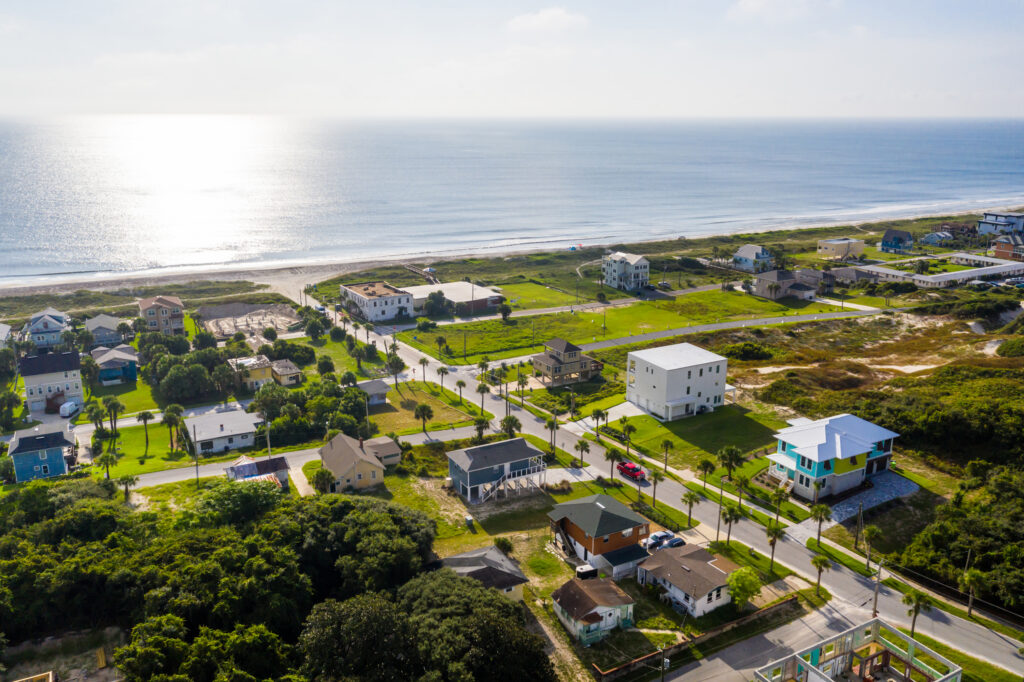
American Beach on Amelia Island, founded by Abraham Lincoln Lewis, served as a historic resort destination for Black travelers during segregation and remains an important cultural landmark today. Photo courtesy of AmeliaIsland.com.

But other experiences through history are showcased in St. Augustine as well. In May 2025, Florida State Parks celebrated the grand opening of a reconstructed 1738 Fort Mose, a sanctuary for slaves who had fled captivity on Southern plantations, laying the groundwork for the original Underground Railroad.

Visit St. Augustine’s Black History app will guide you through momentous events spanning colonial days through the modern era, from the creation of Fort Mose to the city’s role in the struggle for civil rights.

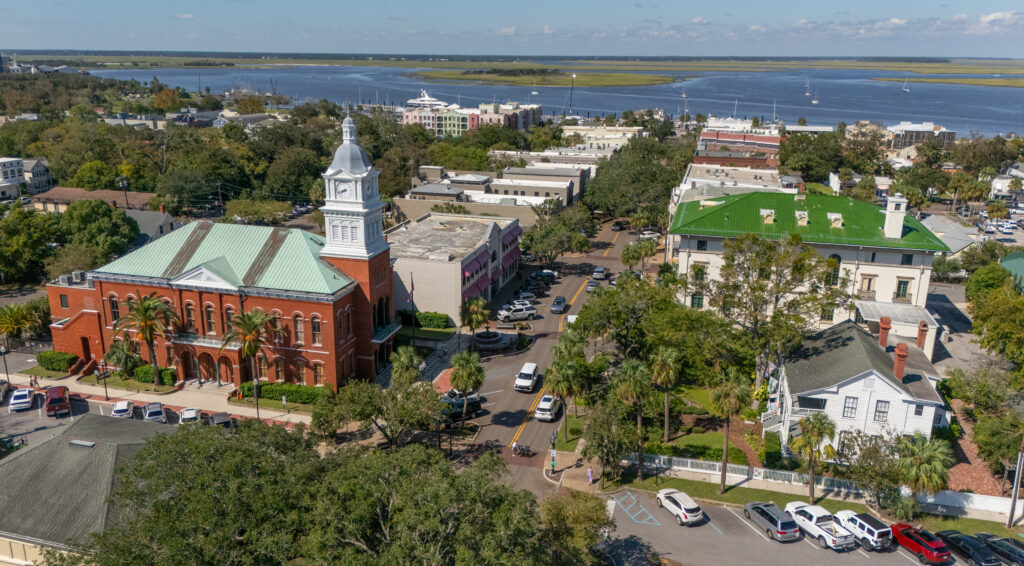
Fernandina Beach’s historic district reflects centuries of layered history on Amelia Island, where diverse cultures and influences have shaped the community. Photo courtesy of CycleHere Films.

Other facets of Black history can be explored on Amelia Island, where American Beach—founded by Abraham Lincoln Lewis, the state’s first Black millionaire—was a resort and vacation community during segregation and today is a National Register site complete with a museum. Amelia Island has its own historical legacy, living under eight flags since its founding and reflecting hundreds of years of history, from early Timucuans to Spanish explorers, pirates and Victorians—all stories to be discovered at the Amelia Island Museum of History. On the island’s northern end, Fernandina Beach was once a vibrant Victorian seaport village and still looks it in a carefully preserved Historic District.

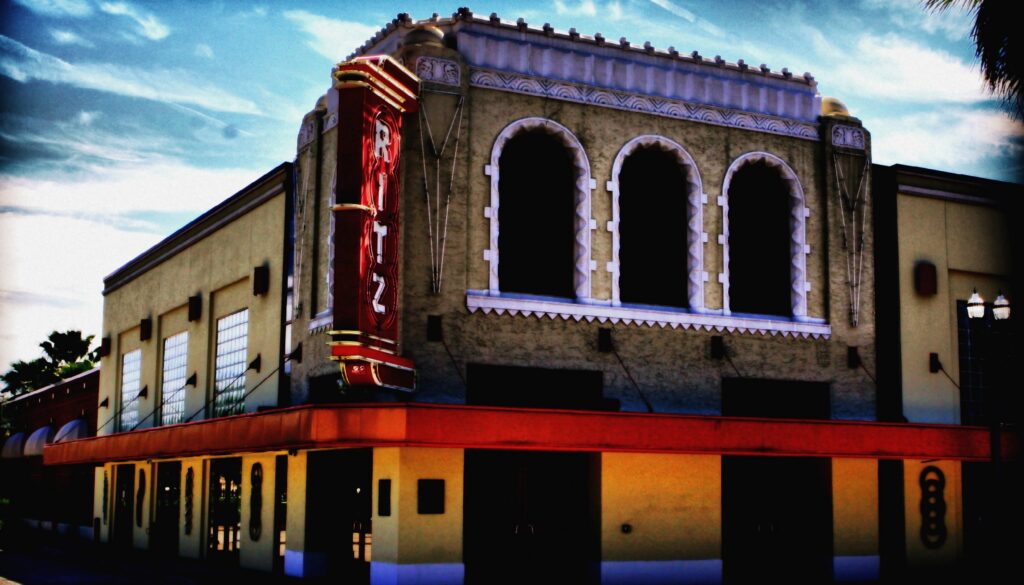
The Ritz Theatre & LaVilla Museum in Jacksonville preserves the legacy of one of the South’s most important Black cultural hubs. Photo by Craig ONeal, via Wikimedia Commons (CC BY-SA 2.0).

Nearby, Jacksonville’s LaVilla neighborhood rivaled Harlem as a thriving Black cultural hub with robust music, theater and nightlife. Today, the LaVilla Museum preserves this legacy, showcasing local contributions to arts and civil rights.